We advocate for women and children experiencing poverty, homelessness/displacement, and who are victims of human trafficking, and bring their voices to the United Nations
Women and Children
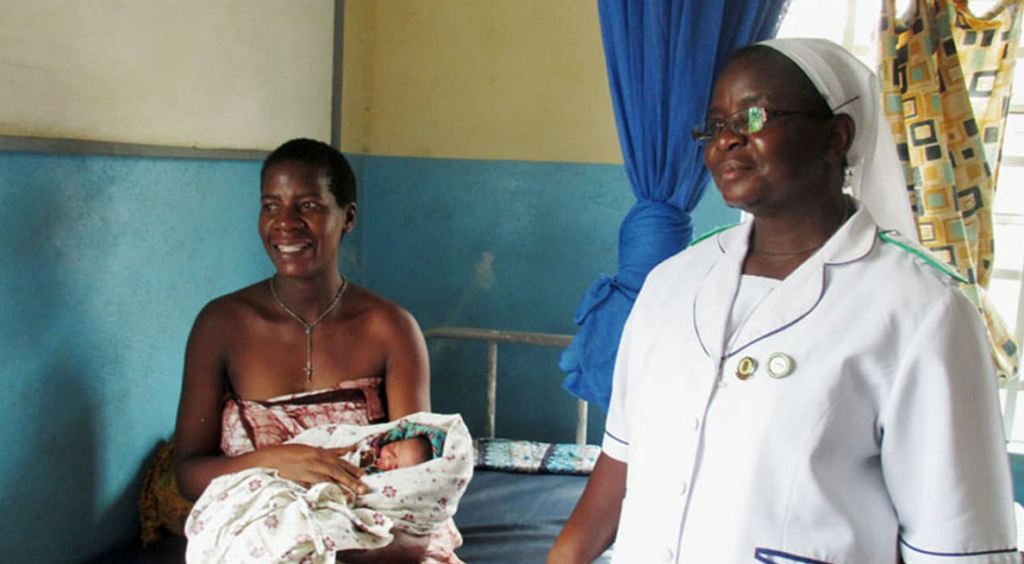
UNANIMA International’s principle aim is to advocate on behalf of women and children who live in economic poverty. We sponsor women and children from Africa, Asia, and the Americas to speak on their own behalf at the United Nations.
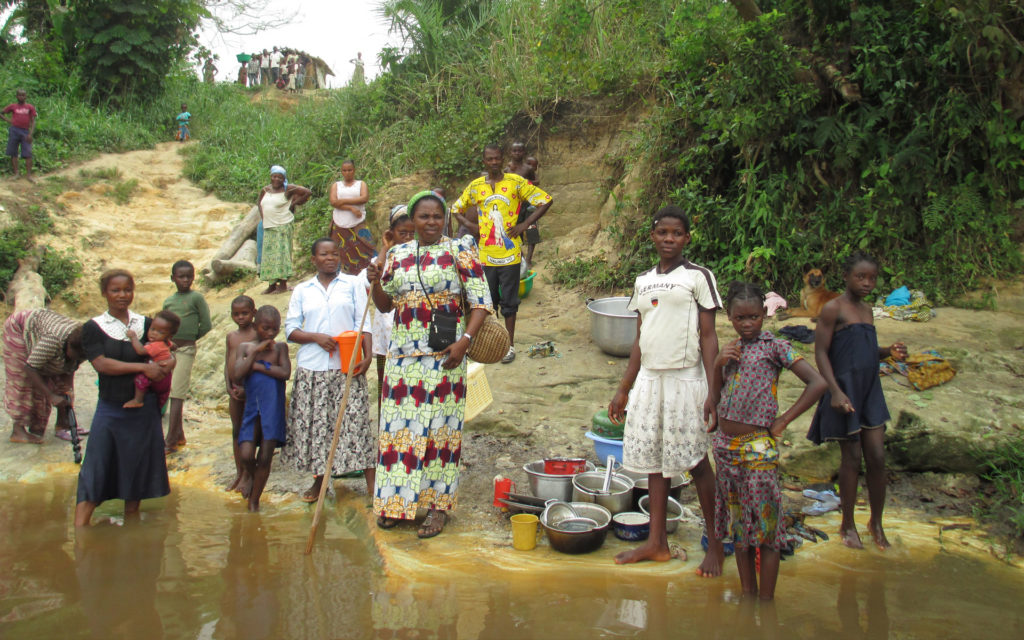 Their experiences play a crucial role in our work for policy change. Additionally, our members have produced alternative NGO reports for country reviews on the Committee to Eliminate All Forms of Discrimination Against Women in both New York and Geneva. We have also provided similar reports for country reviews held in Geneva on the Rights of the Child.
Over the years, members of UNANIMA have been privileged to come to know many valiant people who are engaged in the struggle for social justice. In consultation with our board members in 2008, we decided to begin recognizing one of these women each year with our annual Woman of Courage Award, first created by former Coalition Coordinator, Catherine Ferguson, SHCJ.
What began as a recognition of each individual’s initiative against human trafficking, this award has expanded to those whose work encompasses the programs in which UNANIMA has been especially involved.
UNANIMA International Statements
UNANIMA International Event Videos
- UI Side Event: Eliminating Inequity and Systemic Exclusion: A Rights-Based Approach to Social and Economic Justice Policy
- UI Side Event: Decommodifying People, Place, and Planet: Transformative Policies Towards Unconditional Inclusion and Belonging
- UISG Webinar – Catholic Care for Children: Care Beyond Institutionalization
- Working Group to End Homelessness: CSW66: Climate change: Mutiple Risks for Homeless Women and Girls
Our Publications